


What are Receipts and E-Receipts?
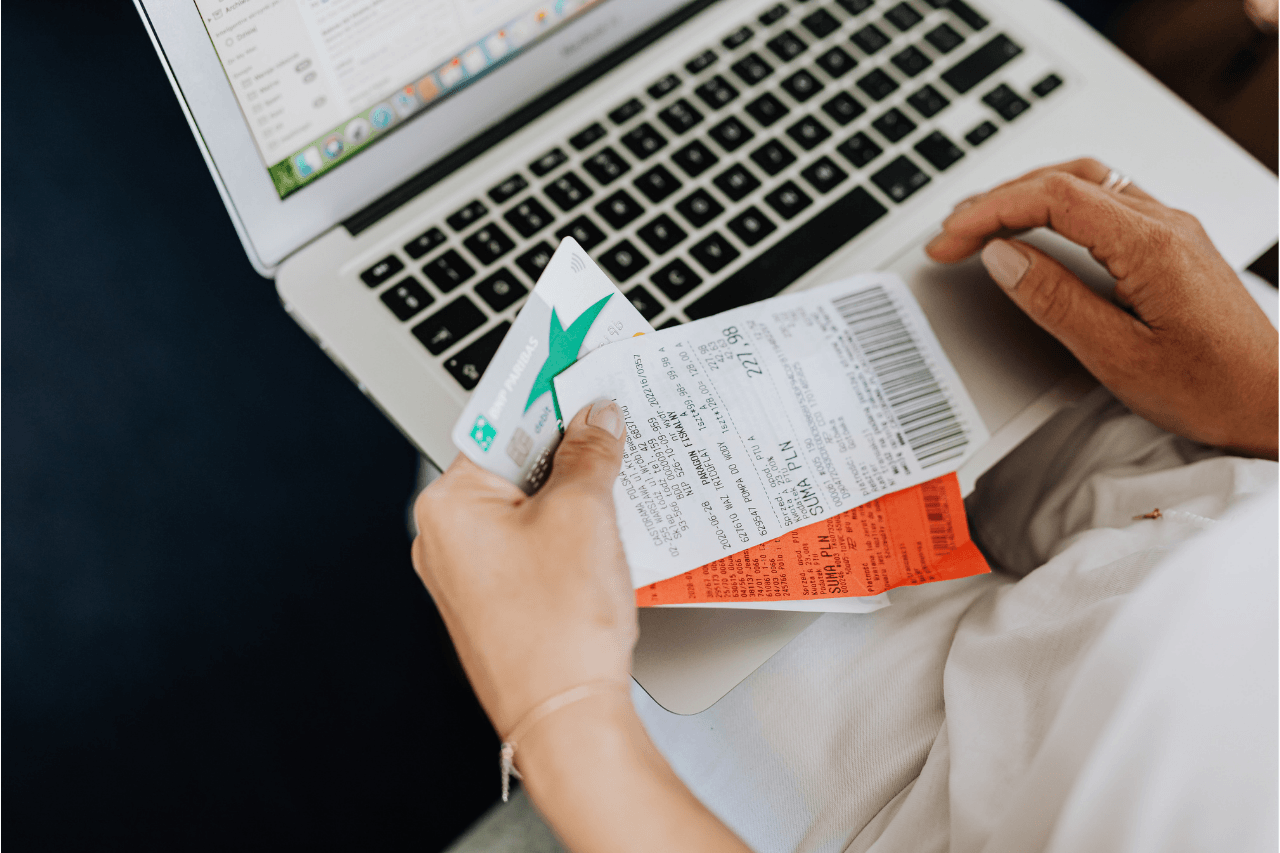


Today, banking transactions are largely conducted digitally. Money transfers, bill payments, EFTs, wire transfers, and shopping transactions can be completed in seconds. However, the security and proper documentation of financial transactions remain crucial. This is where the concepts of "receipts" and "e-receipts" come into play.
While many people think of a receipt simply as a document received from the bank, it is actually official proof of a financial transaction. Receipts play a critical role, especially in commercial transactions, payment disputes, and accounting processes. With the widespread adoption of digitalization, e-receipts have begun to replace classic paper receipts.
What is a Receipt?
A receipt is the name given to the official document showing that a payment or money transfer transaction has taken place. They are issued by banks, payment institutions, and financial institutions. They include the date, time, amount, and information of the parties involved in the transaction.
Receipts are generally generated after the following transactions:
EFT transactions
Wire transfers
FAST transfers
Credit card payments
Bill payments
Tax payments
Salary payments
POS transactions
Online shopping payments
While receipts were previously only issued as paper printouts, nowadays they can also be obtained digitally thanks to mobile and internet banking.
What Information is Included in a Receipt?
For a receipt to be valid and understandable, it must contain certain information. Although there are minor differences from bank to bank, most receipts include the following information:
Transaction Date and Time
This shows exactly when the transaction was made.
Sender Information
This includes the name, surname, or company information of the person who sent the money.
Recipient Information
This includes the information of the person or institution receiving the money.
Transaction Amount
The amount sent or paid is clearly stated.
Transaction Type
It is indicated whether it is an EFT, wire transfer, FAST, or payment transaction.
Reference Number
This is a unique transaction number created for each transaction.
Description Field
The purpose of the payment is stated here. Thanks to this information, any financial transaction can be easily verified later.
What is an E-Receipt?
An e-receipt is a type of receipt that is not physically printed and is created entirely digitally. It means electronic receipt. It is automatically generated as a result of transactions made through mobile banking applications, internet banking systems, and digital payment platforms.
Nowadays, many banks offer e-receipts to their customers by default. Users can download them in PDF format or share them via email. E-receipts contain the same information as classic receipts but are stored entirely electronically.
How to Obtain an Electronic Receipt?
Obtaining an electronic receipt is quite easy. Generally, the following steps are followed:
Log in to mobile banking or internet banking.
Go to the "Transactions" section.
Select the relevant transaction.
Click on the "View Receipt" or "Download PDF" option.
Save or share the receipt digitally.
Some banks also allow receipt sharing via WhatsApp, email, or SMS.
Advantages of E-Receipts
There are many reasons for the widespread adoption of e-receipt systems. They offer significant advantages for both individual users and businesses.
Quick Access
Receipts can be accessed within seconds after a transaction. There is no need for physical printouts.
Easy Sharing
Can be sent as a PDF. This provides great convenience, especially in online shopping and commercial transactions.
Ease of Archiving
Thousands of receipts can be stored digitally. No more cluttered files.
Environmentally Friendly
Reduces paper usage and provides advantages in terms of sustainability.
Secure
Since they are stored in the banks' digital infrastructure, the risk of loss is low.
Saves Time
Transaction proof can be accessed without visiting a branch.
Why are Receipts Important?
Many people don't pay attention to receipts after a transaction. However, receipts are crucial for financial security.
Proof of Payment
It officially shows that you have made a payment to someone.
Used in Legal Processes
It can serve as evidence in payment disputes.
Necessary for Accounting
Companies use receipts in income and expense records.
Important in Tax Processes
Receipts may be required to prove some expenses.
Protects Against Fraud
It facilitates tracking transactions in cases of incorrect or incomplete payments.
Are Electronic Banking Receipts Legally Valid?
Yes, electronic bank receipts are legally valid. In Turkey, digital banking systems and electronic documents are accepted under certain legal regulations.
Electronic bank receipts created by banks:
Are considered official transaction records
Can serve as evidence
Can be used in courts
Are accepted as valid in accounting records
However, the receipt must not be forged and must have been created through an official system.
How Long Should Receipts Be Kept?
It is recommended that receipts, especially for important financial transactions, be kept for a certain period.
For Individual Users
Receipts for large money transfers
Rent payments
Education payments
Healthcare expenses
Such transactions should be kept for at least a few years.
For Businesses
Due to accounting and tax processes, the legal retention period for receipts may be longer. Digital archiving provides great convenience in this regard.
When Are Receipts Required?
Receipts are used in many areas of daily life.
In Online Shopping
To show that payment has been made.
In Rent Payments
As proof of payment between tenant and landlord.
In Commercial Transactions
For money transfers between companies.
In Education Payments
For school or course fees.
In Government Institution Transactions
For tax and fee payments.
In Refund Processes
In cases of incorrect or incomplete payments.
What is a Fake Receipt?
With the advancement of technology, the number of fake receipts has also increased. Some individuals share fake receipts that appear to have been issued without actually making a payment.
Therefore, instead of relying solely on the receipt image, it is extremely important to:
Check the money transfer to the account
Verify the transaction reference number
Review bank records
Be particularly careful with second-hand purchases and commercial transactions.
The Rise of E-Receipts in Digital Banking
With the increase in mobile banking usage, the e-receipt system has also rapidly become widespread. Now, the majority of users no longer request paper receipts.
The main reasons for this are:
The widespread use of mobile applications
The increase in online payment systems
Reduced paper usage
Ease of digital archiving
Remote working systems
The use of physical receipts is expected to decrease even further in the coming years.
The Importance of E-Receipts for Businesses
For companies, e-receipts provide not only convenience but also operational efficiency.
Simplifies Accounting Processes
Digital documents can be archived quickly.
Reduces Costs
Paper, printing, and archiving costs are reduced.
Enables Fast Financial Tracking
Payments can be monitored instantly.
Suitable for Remote Work
Documents are accessible online. Therefore, many businesses are now completely switching to digital financial processes.
Are E-Receipts Secure?
E-receipts generated through official bank applications are quite secure. However, users should be aware of some points:
Download receipts only from official applications.
Do not share your private financial information with unknown individuals.
Beware of fake applications.
Store PDF files in a secure environment.
Report suspicious transactions to your bank.
Cybersecurity awareness is of great importance in digital banking.
What Happens If the Receipt Gets Lost?
Paper receipts can get lost or damaged over time. However, most banks store past transaction records in their systems.
In this case:
The receipt can be retrieved again from mobile banking.
A transaction statement can be requested from a bank branch.
Support can be obtained from customer service.
This is one of the biggest advantages of the e-receipt system.
What Will Receipt Systems Look Like in the Future?
With the development of financial technologies, receipt systems continue to transform.
In the near future:
AI-powered financial records
Automatic accounting integrations
Blockchain-based transaction verifications
QR code receipt systems
Cloud-based financial archives
may become more common. These developments will both increase security and improve the user experience.
Conclusion
Paper receipts and e-receipts are among the most important documents for recording financial transactions. They are of great importance to both individual users and businesses as proof of payment.
While traditional paper receipts are still in use, e-receipt systems are rapidly becoming widespread due to the impact of digitalization. Thanks to advantages such as quick access, easy sharing, secure storage, and environmental friendliness, e-receipts have become an indispensable part of modern banking.
Subscribe to Bayiloji
Don't miss updates, tips and special deals in the world of dealership.